
Moving is often seen as a stressful and tiring process, but it’s also a unique opportunity to stay physically active. The tasks involved, like packing, lifting, and organizing, demand energy and movement. Instead of viewing moving as a chore, it can become a way to incorporate fitness into your day. OC movers recommend combining practical moving steps with intentional physical activity to keep you energized and motivated. Here’s how to stay active while moving.
How Can Short Exercise Breaks Boost Your Energy?
Taking frequent exercise breaks is one of the simplest ways to stay active while moving. Instead of spending hours packing without pause, schedule short breaks every hour to recharge. Local movers in Orange County suggest incorporating quick movements like stretching, walking, or even a brief jog around the block. These activities improve blood flow and help prevent stiffness, especially if you’re spending extended periods bent over boxes or sitting on the floor.
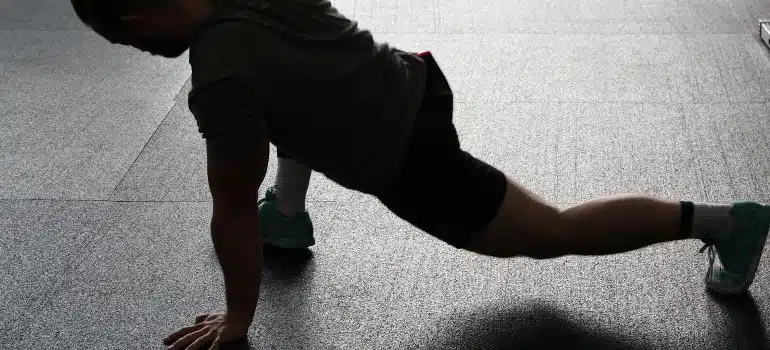
Research supports the benefits of short, high-energy activities. For example, a quick 10-minute session of jumping jacks or squats can release endorphins, which boost your mood and counteract stress. Stretching exercises, such as hamstring or shoulder stretches, also keep your muscles loose and prevent strain. If you dedicate just 10 to 15 minutes each hour to physical movement, you’ll feel more energized to tackle the next stage of your move. Plus, it adds an element of fun to an otherwise monotonous process.
Why Is Proper Lifting Technique Essential?
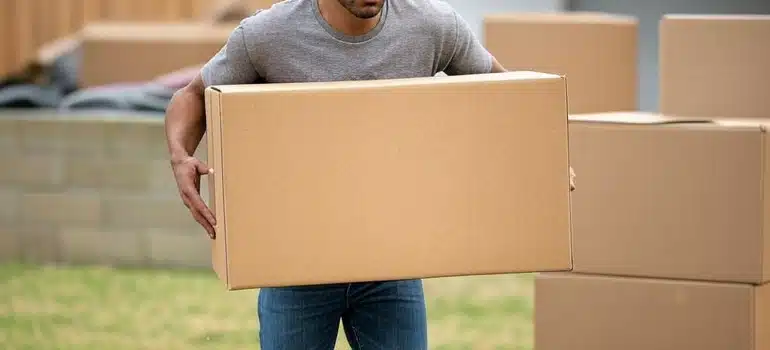
Lifting heavy items is inevitable when moving, and it can be a fantastic workout if done correctly. Poor technique, however, can lead to injuries that disrupt your entire process. Movers in Orange County CA advise paying close attention to your posture when lifting boxes or furniture. Always bend at your knees and engage your core muscles to protect your lower back. Avoid bending from your waist, as this can strain your spine and lead to discomfort or long-term issues.
Lifting with proper form also ensures that your movements are efficient. For instance, carrying a 30-pound box can engage your leg and arm muscles while improving balance if done correctly. If you’re moving several items, try alternating between heavier and lighter loads to maintain muscle endurance. Lifting heavy objects can burn up to 150 calories per hour, making it an effective form of physical activity. Planning your path and minimizing twisting motions while carrying items also helps reduce fatigue and the risk of injury.
Can Moving Tasks Be Part of Your Fitness Routine?
Moving offers endless opportunities to turn everyday tasks into exercises. Orange County residential movers recommend viewing activities like loading, unloading, and packing as part of your fitness routine. For example, using stairs instead of elevators adds a cardio component to your day. Carrying boxes up and down stairs can strengthen your legs and improve your stamina, especially if you aim for a steady pace.
Another way to incorporate fitness is by timing yourself during packing or organizing sessions. Set a timer for 15 to 20 minutes and challenge yourself to pack as much as possible during that time. This approach adds an element of cardio by keeping your heart rate elevated. Additionally, cleaning tasks such as sweeping, vacuuming, or mopping can burn around 100 calories per hour. These activities keep you moving while accomplishing essential tasks, allowing you to stay active without feeling like you’re adding extra effort to your day.
How Can Staying Hydrated and Eating Well Keep You Active?
Physical activity during a move requires fuel, and staying hydrated is just as important as the tasks themselves. Dehydration can lead to fatigue, muscle cramps, and decreased focus, all of which can slow you down on moving day. Drink water consistently throughout the day. Aim for at least eight glasses or more if you’re engaging in strenuous physical activity.
Balanced meals and snacks also play a vital role in keeping your energy levels stable. Protein-packed foods like nuts, yogurt, or lean meats help sustain energy, while complex carbohydrates such as whole-grain bread or brown rice provide long-lasting fuel. Avoid sugary snacks and drinks that can cause energy crashes. Instead, opt for nutrient-rich options like fruits, vegetables, and energy bars. Taking short breaks to eat or drink not only keeps your body fueled but also gives you moments to rest and recharge before diving back into the tasks at hand.
Why Is Stretching Before and After Tasks Important?
Stretching is often overlooked but is a crucial component of staying active while moving. The physical demands of lifting, bending, and reaching can cause muscle tightness or strain, especially if you’re not used to this level of activity. Stretching before starting your tasks helps prepare your muscles, improve flexibility, and reduce the risk of injury.

Simple stretches, like hamstring stretches, shoulder rolls, or gentle twists, can loosen your muscles and improve your range of motion. After completing your moving tasks, a cooldown stretch session is equally important. It helps release tension in your muscles, particularly in your back, shoulders, and legs. For example, a child’s pose stretch or a standing forward fold can relieve tightness in the lower back. Stretching regularly throughout your move also promotes better posture and makes the entire process feel less physically taxing.
Stay Active While Moving For a Healthy Move
Staying active while moving is about more than just staying fit; it’s about making the process smoother and more enjoyable. Incorporating short exercise breaks, using proper lifting techniques, and treating moving tasks as part of your fitness routine allows you to transform a potentially stressful event into a productive and energizing experience. Keep yourself fueled with healthy food, stay hydrated, and take time to stretch before and after physical tasks. These simple strategies ensure that you not only complete your move efficiently but also feel strong and accomplished throughout the process. Stay active while moving – it doesn’t require extra time or equipment—it’s about working smarter, not harder.