
Fishing gear isn’t built for rough handling. Rods snap, reels bend, and hooks have a way of getting into everything. If you’re relocating, figuring out how to pack and move fishing gear the right way can save you time, stress, and expensive replacements. For people who fish often—or even just occasionally—this gear holds serious value. Many OC movers agree that anglers who prep their gear ahead of time avoid costly damage on moving day. With a few smart steps, you can protect every rod, reel, and tackle box and keep your setup ready for the next big catch
Start By Sorting and Inspecting Your Gear
Before you even pull out a box, take inventory. Get everything out—rods, reels, tackle boxes, waders, electronics. You need to know what’s in good shape and what’s already on its last leg. Local movers in Orange County recommend checking rods for cracks, guides for wear, and reels for loose parts. Separate damaged gear now so you don’t waste time packing stuff that should be tossed or repaired. Sort by size and fragility. Lay rods flat, stack tackle boxes, and keep all accessories in view. This is when you discover what’s worth keeping and what’s been collecting dust. If you have duplicates or rarely used lures, it might be time to let some of them go. A good decluttering now makes packing cleaner and faster.
Disassemble Rods and Reels the Right Way
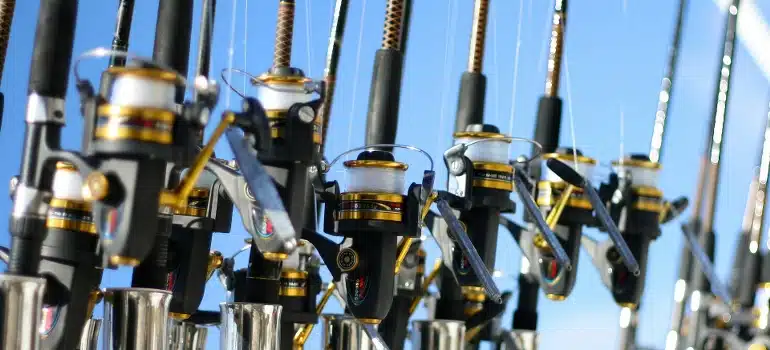
You never want to move a fully assembled fishing rod, especially if it’s a multi-piece design. Take it apart and wipe down each section. Remove reels and keep them separate to prevent tension on the rod blank. Ask packing services in Orange County CA whether they can pack your high-end reels if you’re unsure how to handle them. Wrap each rod section in a soft cloth or foam sleeve and secure with rubber bands or hook-and-loop straps. Don’t tape directly to the rod—it can damage the finish. Clean the reels with a quick wipe-down to remove dirt and salt. Then place them in padded pouches or small containers. If your reel has delicate handles or drag knobs, secure them with extra padding. The key is to remove stress from each part so nothing bends, warps, or cracks under pressure.
Use Tubes and Cases to Protect Your Rods
Rods are long, thin, and incredibly easy to break if they’re not secured. Don’t just throw them in the back of the truck and hope for the best. You need something hard-sided. Find some good moving supplies in Orange County CA like rod tubes, telescoping PVC pipes, or heavy-duty plastic cases made for fishing rods. Cut foam inserts to keep them from sliding inside. Label the tubes so you know which rod is inside without opening everything up. If you’re packing multiple rods together, wrap each one individually before loading them into a shared case. The idea is to eliminate contact points that cause friction or snapping. If you can, carry your rods with you in your personal vehicle instead of tossing them in the moving truck. It’s the safest option for high-end setups or rods with sentimental value.

Secure All the Small Tackle and Gear
Tackle might seem easier to pack, but it causes chaos if done wrong. You don’t want to open a box at your new place and find hooks tangled in everything. Keep gear contained. Tackle boxes are your best friend here. You want to keep things clean, simple, and functional. Go through each tray and remove loose items. Secure open compartments with rubber bands or tape. For smaller lures or extra gear, zip-top freezer bags offer a cheap and flexible solution. Sort by type: soft plastics, crankbaits, weights, and lines all go in their own bag. Add padding around fragile pieces like glass or ceramic floats. For liquids or bait jars, double-bag them to avoid spills. If it smells bad now, imagine what it’ll do inside a sealed box for 300 miles. Better to wrap it twice than clean it up later.
Label Everything and Load It Carefully
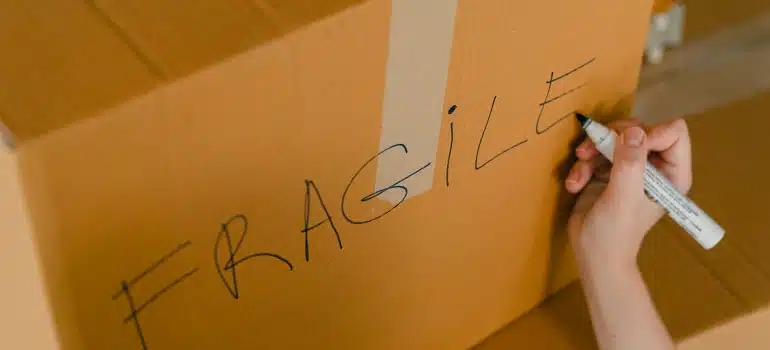
Packing is only half the battle—loading is where damage often happens. Boxes get stacked, bins get bumped, and fragile gear ends up buried under heavy stuff. Don’t let that happen. Label every fishing gear box or case clearly. Use “FRAGILE,” “LOAD LAST,” or “KEEP UPRIGHT” where needed. Pack and move fishing gear in a way that makes it easy to unload without digging. Load rods last so they come off first. Keep gear in a temperature-controlled area if possible. Reels and electronics can warp or crack in extreme heat. If you have fish finders or battery-powered devices, remove the batteries and pack them separately. Make sure boxes aren’t overstuffed. Extra room means shifting, which leads to damage. Think of each item as something you’ll want to use the moment you arrive—not something you want to replace.
Protect Your Most Fragile and Expensive Items
Some gear deserves more than just a cardboard box. If you own high-end reels, custom lures, or expensive electronics, treat them like you would a laptop or camera. Pack and move fishing gear like this with bubble wrap, rigid containers, and personal oversight. For fish finders, remove screens or displays if possible and wrap them in anti-static sleeves before adding bubble layers. Hard cases with foam inserts are perfect for cameras, sonar devices, and GPS tools. If it costs more than $200, don’t risk throwing it in with the general pile. Make a separate box for premium gear and keep it with you during the move. If you’re flying, check airline rules—some fishing gear can be carried on, but many parts have to be checked. Check bag weight limits too. Reels and tackle boxes can get heavy fast.
Final Thoughts on How to Pack and Move Fishing Gear
If fishing is your thing, moving your gear should be a top priority—not an afterthought. There’s no worse feeling than arriving at your new place, opening a case, and finding a snapped rod or tangled tackle. That’s why it pays to know how to pack and move fishing gear the right way. With smart prep, the right containers, and a little extra care, you’ll land in your next location ready to hit the water—not the sporting goods store.