
Relocating after retirement can feel like a big step, but it can also bring new opportunities. You might want to live closer to family, enjoy warmer weather, or find a place that matches your lifestyle. The idea of starting over later in life can feel overwhelming, but with the right approach, it doesn’t have to be. Planning carefully gives you peace of mind and helps you avoid stress. Think about your budget, healthcare needs, and how you want to spend your time. A move during retirement isn’t just about a new address—it’s about creating the life you want now. Professional help matters too. Many retirees choose trusted experts like movers Orange County offers, who understand the process and make things easier. Taking these steps helps your move feel right, not just big.
Preparing for Relocating After Retirement
Relocating after retirement is a big choice, yet you can make it feel right. Start with clear goals, a realistic budget, and a location that fits daily life. Think about healthcare, community, and how much home you want to maintain. Plan the move step by step, using checklists and timelines. When you prepare with care, you reduce stress and keep control throughout the process. This approach keeps your energy focused.
Choosing the Right Location to Retire
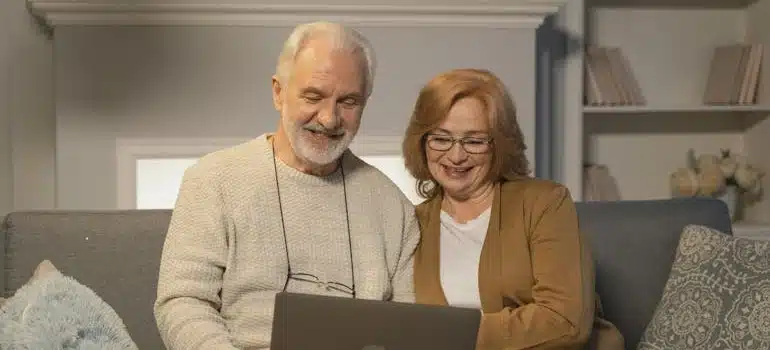
Where you live shapes daily life more than you think. Start with needs and habits. List weather preferences, healthcare access, and budget range. Think about walkability and transit. Add nearby family, friends, and hobbies. Tour neighborhoods at different times of day. Ask locals about safety, noise, and services. Check average taxes and utility costs. Test your routine there for a week, if possible.
Track errands and healthcare drives. Look for community centers, clubs, and adult learning. When you want help on move day, many residents trust movers Long Beach CA has. They know senior needs and handle logistics. That lets you focus on settling. Choose the place that supports health, connection, and comfort. Make a simple checklist, compare options, and decide with clarity. Your choice should fit your goals and budget.
Downsizing Before the Move
Downsizing reduces stress and cost. Start early and work room by room. Set clear rules: keep, donate, sell, or discard. Label boxes as you go. Photograph sentimental items before letting them go. Measure your new rooms and plan furniture that truly fits. Use a staging area to avoid clutter. Schedule short sessions to prevent fatigue. Ask family to claim items they want.
For heavy or bulky pieces, consider loading and unloading movers Orange County moving companies offer. They handle stairs, tight halls, and fragile items with care. This help lowers injury risk and speeds the process. Relocating after retirement is easier when your list is shorter. You save money on moving and storage. Fewer possessions also mean faster setup and a calmer start in your new home. Keep paperwork grouped and clearly labeled.
Emotional and Practical Considerations When Moving After Retirement
Relocating after retirement brings more than financial changes. It also affects your daily routines, emotional wellbeing, and healthcare access. Moving later in life requires careful thought about what matters most to you now. Think about comfort, security, and independence. Planning for both practical and emotional needs makes the transition smoother. Focus on building confidence and finding support that fits your new stage of life.
Healthcare Access in Your New Area
Healthcare should always be a top priority when you move. Researching local options gives you peace of mind. Compare hospitals, clinics, and specialists in your area. Check insurance coverage before committing to a location. Learn about pharmacies and urgent care availability. Reliable healthcare makes relocating after retirement much safer and less stressful. Here are important points to consider when planning for medical needs:
- Hospital proximity: Choose an area with reputable hospitals nearby.
- Specialist access: Confirm availability of cardiologists, orthopedists, or other doctors you may need.
- Insurance compatibility: Verify that local providers accept your insurance plan.
- Urgent care centers: Check for nearby walk-in clinics for immediate needs.
- Pharmacy services: Make sure pharmacies are close and offer delivery options.
Maintaining Independence After Relocation
Independence means more than living alone—it’s about having choices every day. Look at transportation options, grocery access, and local activities. Test public transport and check ride services. Visit stores, gyms, and senior centers. Ask about delivery for groceries and meals. Plan how to keep hobbies alive. For physical help, many retirees trust Orange County residential movers when downsizing or setting up.
Services like this reduce strain while keeping you active. Independence after retirement is about knowing your options, setting routines, and feeling in control. It helps you avoid isolation, stay engaged, and build new routines confidently. Plan for both mobility and social connections so you don’t lose stability when starting fresh. When you have support ready, you can keep your life balanced and enjoyable.

Coping With the Emotional Side of Moving
Moving during retirement can stir strong emotions. Leaving a long-time home often feels like leaving behind memories. It’s normal to feel anxious, but preparation helps. Talk with friends or family about your feelings. Create a plan for keeping traditions alive. Focus on the benefits of your new environment.
For practical support, many rely on local movers in Orange County who understand the stress of senior moves. They handle details so you can focus on adjusting emotionally. Relocating after retirement is less overwhelming when you give yourself time to adapt. Keep familiar routines to feel grounded. Stay in touch with loved ones often through calls or visits. Seek out community groups to avoid loneliness. Managing emotions is as important as logistics when building a new life in retirement.
Working With Professional Movers for a Retirement Relocation
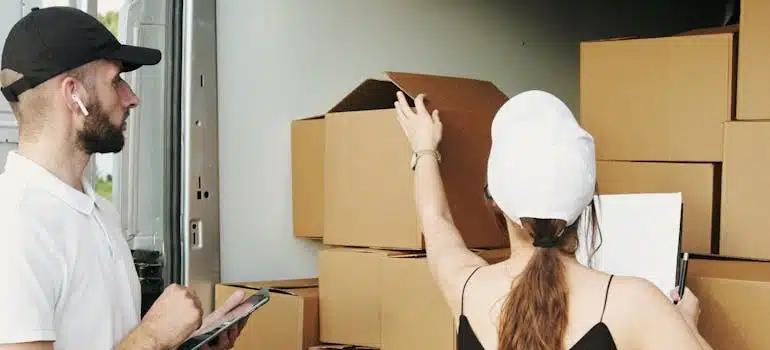
Relocating after retirement can feel less stressful when you rely on professional movers. Older adults often have unique needs during a move, including downsizing, fragile belongings, and limited lifting ability. Hiring the right movers gives you support for both planning and physical work. Comparing services, pricing, and reliability is worth the time. When movers handle the heavy load, you can focus on settling comfortably into your next home.
Benefits of Hiring Senior Moving Specialists
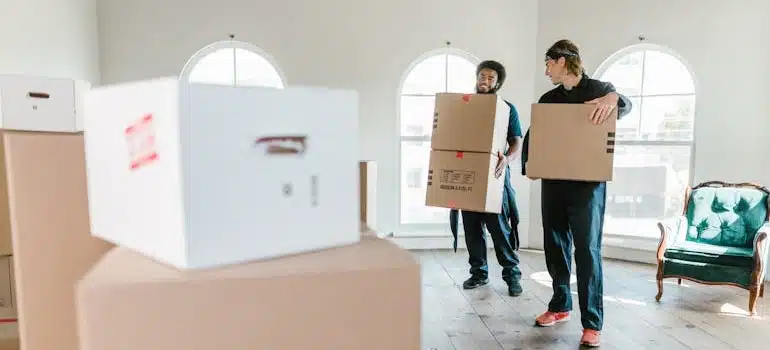
Senior moving specialists understand the challenges retirees face. They work with patience, provide careful packing, and help with planning. These movers often offer extra services like organizing, furniture setup, and even donation drop-offs. Having experienced support makes relocating after retirement smoother and safer. Many people trust movers Mission Viejo has for their knowledge in senior moves.
With the right team, you avoid injuries and cut down on stress. Specialists also coordinate schedules with retirement communities and understand limited mobility concerns. They bring tools and equipment to prevent damage. Knowing your move is handled by experts lets you focus on adjusting. A trusted moving team becomes more than hired help—they act as partners in your relocation. This kind of support can make retirement relocation feel manageable instead of overwhelming.
Comparing Moving Companies for Retirement Moves
Not all moving companies deliver the same service. Take time to compare. Read reviews, check licensing, and ask about senior-specific experience. Look at service packages and insurance options. Price should matter, but reliability and care should matter more. Moving later in life deserves a careful choice. For example, moving companies in Costa Mesa often list detailed services for senior clients.
Ask about packing, storage, and timing flexibility. Speak directly with staff before booking. Ask how they handle fragile items or medical equipment. Compare contracts carefully so you know what’s included. When you choose the right movers, relocating after retirement feels more secure. Take the extra time to pick professionals who understand your needs. The right choice saves money, reduces stress, and helps you transition smoothly into your new home.
Packing and Unpacking Services for Retirees
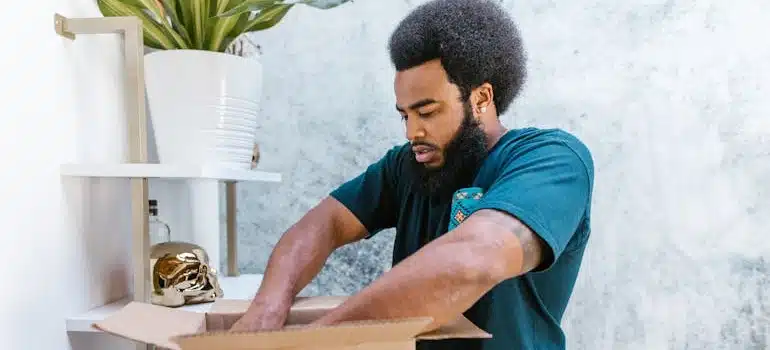
Packing is often the hardest part of moving. It takes time, energy, and organization. Many retirees benefit from full-service movers who handle this step. They supply boxes, wrap fragile items, and label everything clearly. After arrival, they unpack and place belongings where you want them. This reduces physical strain and speeds up the process.
Many households hire packing services Orange County CA residents recommend for retirement moves. These teams bring experience with delicate items like collectibles or antiques. Unpacking support is especially helpful if you have mobility challenges. It prevents you from lifting and bending. Having everything set up quickly makes your new place feel like home right away. Relocating after retirement should feel exciting, not exhausting. With packing and unpacking help, the hardest part of the move becomes simple.
Creating a Retirement Lifestyle That Feels Right
Relocating after retirement is more than moving your belongings—it’s about shaping your lifestyle. Settling into a new home means deciding how you’ll spend time, connect with family, and stay engaged. Planning for activities, community, and balance helps you feel grounded in your new chapter. The right routines keep retirement fulfilling and enjoyable. Focus on building daily habits that support health, happiness, and a sense of belonging.
Exploring New Hobbies and Activities
Exploring hobbies after relocation keeps your mind sharp and gives you new connections. Retirement frees time for interests you once postponed. Community centers, adult classes, and fitness groups make it easy to meet people. Trying something new helps you adjust faster and feel part of your surroundings. Here are hobbies and activities that many retirees find rewarding after relocating after retirement:
- Gardening: Fresh air, exercise, and healthy food production.
- Volunteering: Purpose, social bonds, and giving back to others.
- Walking groups: Fitness combined with companionship.
- Art classes: Creativity, skill growth, and relaxation.
- Book clubs: Mental stimulation and meaningful conversations.
Staying Connected With Family After Relocating
Family bonds often influence where retirees move. Staying connected after a relocation requires effort, but technology makes it simpler. Video calls, group chats, and social media help you feel close even when miles away. Plan regular visits and invite family to stay over. Schedule traditions, such as holiday meals or birthdays, in your new home. Relocating after retirement doesn’t have to mean losing family time.
It can strengthen it by creating new ways to connect. Local community programs often include family-friendly activities where children and grandchildren are welcome. Consider planning outings around parks, museums, or sporting events. Building family memories in your new area helps you feel settled faster. Keep communication open, flexible, and frequent. With the right effort, family closeness remains strong after retirement relocation.

Balancing Relaxation and Productivity
Retirement isn’t about stopping completely—it’s about balance. Too much rest can leave you bored, while too much activity can drain you. Mixing calm routines with purposeful actions helps you thrive. Create a weekly plan that includes both. Here are ways retirees balance rest and productivity after relocating after retirement:
- Morning meditation: Calms the mind and starts the day with focus.
- Light exercise: Keeps energy steady and health strong.
- Volunteer work: Builds purpose and social connection.
- Creative hobbies: Engages the brain while easing stress.
- Rest time: Protects energy and avoids burnout.
Let Expert Movers Simplify Your Next Chapter
Relocating after retirement can feel like a major change, but it doesn’t have to feel overwhelming. The best way to approach it is with preparation and patience. Think about your goals, your daily needs, and the lifestyle you want. Keep your focus on what will bring comfort and stability in this new stage of life. Downsizing, budgeting, and planning your healthcare are all important steps. It also helps to lean on professional support when needed, especially for the physical parts of the move. Having experts handle the heavy work gives you space to focus on settling in. Your retirement years should feel rewarding, not stressful. With the right planning, relocating after retirement can mean more than a move—it can be the start of a more comfortable and fulfilling chapter.