
Plenty of people are relocating to the foothills, canyons, and scenic overlooks of Orange County. The views, peace, and privacy are hard to beat. But moving into fire zones means you need to take a few extra precautions before calling it home. The good news? Many of these steps are easy to handle if you prepare ahead. Movers Orange County residents trust can help you settle in safely, even in high-risk areas. This guide walks you through everything you should know about living—and moving—into wildfire-prone zones with confidence.
How Can You Tell If Your OC Property Is in a Fire Hazard Zone?
California law makes this easy — but not always fast. The Cal Fire Fire Hazard Severity Zone (FHSZ) maps let you check any address across Orange County. Maps mark areas as “Moderate,” “High,” or “Very High” fire zones. Areas like Trabuco Canyon, Silverado Canyon, and portions of Anaheim Hills appear deep red. Homes in these red zones often back up to open space, brush, or undeveloped hillside. Check what moving services in Orange County CA you’ll need based on access conditions, because narrow roads and dead-ends in these zones limit truck size.

The Orange County GIS Viewer adds extra detail with parcel-specific overlays, making it easier to confirm if your exact lot faces elevated wildfire risk. Real estate listings don’t always mention fire zones upfront, so you need to double-check before closing. Some buyers only discover this during escrow when it’s nearly too late. This can delay your move by weeks or force fire-mitigation upgrades before you even get the keys.
What Fireproofing Features Must a High-Risk Home Have?
Homes in “Very High” fire severity zones must meet new hardening standards under AB 38. Local movers in Orange County say these regulations have made some moves more complex and costly. Fire-resistant roofing is no longer optional — it’s required in all major OC fire corridors. The average price to replace a roof with Class A fire-rated material ranges from $10,000 to $20,000 depending on square footage. But if you skip it, insurers might drop your coverage. Vents need to be ember-resistant, usually metal mesh rated for 1/8-inch openings. That alone costs around $1,200 for a standard two-story house. Landscaping also needs attention.
Decorative mulch near windows? Risky. Non-combustible ground cover like gravel or decomposed granite is now preferred. Homes must clear out wood fencing that touches the structure or add a non-flammable separation barrier. Escrow agents often require a defensible space inspection before closing, which costs about $250–$400 depending on property size. If you move into a home without these features, expect urgent upgrades.
How Much More Will Fire Zone Insurance Cost You?
Home insurance premiums are rising fast across Southern California — especially in wildfire-prone areas. Movers in Orange County CA advise clients to confirm coverage before scheduling their move because rates can be shocking. In “Very High” zones, premiums range from $3,500 to $6,800 annually, depending on structure size, roofing material, and fire mitigation steps. That’s 3 to 5 times more than standard rates. Some insurers have even pulled out of the market entirely. This forces buyers to use California’s FAIR Plan, which provides fire-only coverage, then add supplemental plans to protect against theft, liability, and water damage.

The FAIR Plan runs about $1,800–$3,000 per year for a typical home under 2,000 square feet. Together with supplemental insurance, you’re looking at $4,000 to $7,000 total — every year. That’s a hefty ongoing cost many new residents don’t budget for. Without insurance, no lender will fund your mortgage. Even if you pay cash, living uninsured in OC’s red zones is a gamble.
What Are the Defensible Space Rules You’ll Need to Follow?
California law requires a 100-foot defensible space around structures in high-risk fire zones. Orange County residential movers recommend confirming yard compliance before you bring in flammable items like patio furniture or BBQs. This defensible area isn’t just a recommendation — it’s enforceable under state code. You must cut dry grasses, thin shrubs, and trim tree branches at least 10 feet away from chimneys. For many homeowners, that means hiring landscape crews before or immediately after moving in.
Expect to pay $500 to $2,500 depending on yard size and slope. Flat properties cost less to clear, but hillside homes (common in fire zones) may need heavy-duty brush removal or even goat grazing services. If you ignore this rule and fire officials conduct inspections during Red Flag days, you can be fined up to $500 per day until corrected. OC Fire Authority also checks spacing between plants. In hot zones, too much density makes homes uninsurable and unsafe.
What If You Only Have One Road In and Out?
It’s more common than you think. Canyon communities like Modjeska, Williams, and Live Oak often have just a single paved road connecting them to main highways. Last minute movers in Orange County suggest checking this before your moving day because traffic backups during evacuations can turn deadly. In the 2020 Silverado Fire, residents waited hours to get out. Some couldn’t evacuate at all due to downed trees and blocked roads. You need a printed evacuation map on hand. Don’t rely solely on your phone.
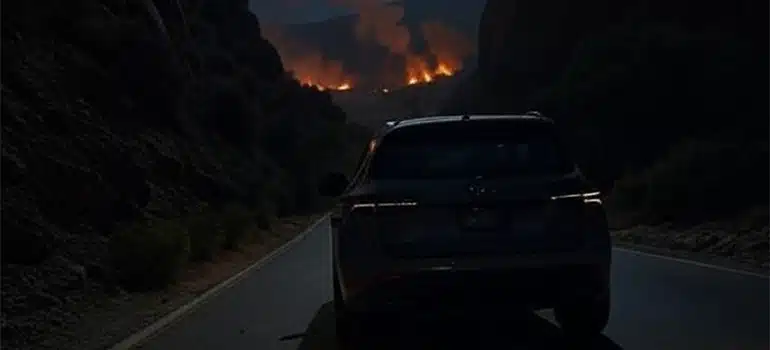
During fire events, towers go down. Apps fail. Keep a Go Bag packed with essentials like medications, documents, food, and flashlights. Store it near your front door. Prepare a hard-copy contact list. Make sure your movers understand the area and park with quick escape in mind. If you’re moving into these zones, you’ll live with constant evacuation awareness. That doesn’t mean living in fear — it means being smart and prepared.
How Can You Plan a Safer Moving Day?
Timing matters more than most people expect. High fire risk days — usually hot, dry, and windy — aren’t just uncomfortable. They can make moving dangerous. Packing services in Orange County CA ensure the safety of your goods even in extreme weather, but you’ll need to do your part. Schedule your move for early morning hours when temperatures are lower and winds are calmer. Watch for Red Flag Warnings posted by the National Weather Service. These alert you to days when wildfire risk is extremely high.
If you are moving into fire zones on one of those days, do it fast — and keep your truck facing the exit. Bring a fire extinguisher inside the truck cab. Don’t leave cardboard boxes stacked outside, especially if wind picks up. Even a hot muffler from the moving truck parked over dry grass could spark a blaze. Take the risk seriously. Fire danger in OC’s hillsides is no longer rare. It’s seasonal and expected.
Where Should You Store Dangerous or Flammable Items?
Many items in your garage or shed pose a threat when moving into fire zones. Furniture movers in Orange County work with residents who unknowingly pack propane tanks, gasoline cans, or oil-soaked rags into moving trucks — all of which are risky in fire-prone areas. Keep those items in fire-resistant containers or off-site entirely. Some storage units in Irvine or Costa Mesa offer fire-suppressant construction and climate control. These units cost more — usually $150 to $300 per month for a 10×10 — but they reduce the risk of spontaneous combustion or ignition from embers.

Do not store paint cans, batteries, or solvents in outdoor sheds if your home backs up to brush. If your new house includes a garage, install smoke detectors and proper ventilation. Fires that start in garages often spread fastest due to tight containment and fuel access. You might also consider moving flammable materials to a lower-risk city like Garden Grove or Fullerton while you finish unpacking and securing your property.
How Does Living in a Fire Zone Affect Resale Value?
This part catches many homeowners off guard. Loading and unloading movers in Orange County often hear clients say they didn’t expect how much wildfire risk would affect their home’s resale value. In 2025, buyers are more educated and cautious. Properties in red zones can lose 10% to 20% of market value compared to similar homes outside fire zones — even if both have the same square footage and upgrades. Homes without proof of recent fire mitigation or hardening updates sell slower.
Some agents now include mitigation certificates in listing packets to calm buyer fears. These certificates confirm compliance with AB 38 and defensible space rules. Getting one costs about $350 and must be renewed every few years. Appraisers also factor in fire risk, especially after major wildfires like the 2020 Bond Fire. If you’re thinking long-term, prepare to spend on upgrades to protect your property value. Fire hardening is no longer just about survival — it’s about protecting your investment.
What Happens When the Power Goes Out During Fire Weather?
Public Safety Power Shutoffs (PSPS) are a real part of life in OC fire zones. Expect power outages if you’re moving into elevated areas like Santiago Canyon or the foothills of Tustin. SoCal Edison cuts power during high wind events to prevent electrical fires. These shutoffs usually last 12 to 48 hours but can stretch longer during active fire events. Moving during a PSPS can be miserable. No lighting and no HVAC. No elevators in multistory buildings. Also, no functioning garage doors. You must plan for this in advance.

Keep lanterns, battery packs, and coolers ready. If your move-in day lands during one of these shutoffs, coordinate with your moving team early. They’ll need backup lighting for unloading, and you might need manual tools for opening gates or garage systems. Solar battery systems are becoming more popular and run from $8,000 to $15,000 installed. It’s a major investment, but it keeps your home functioning even when the grid goes dark.
What Are the Fire Code Rules Set by HOAs or Cities?
Don’t assume the rules end at state regulations. Many HOAs — especially in upscale areas like Rancho Santa Margarita, Laguna Niguel, and Coto de Caza — enforce stricter codes than Cal Fire or OCFA. Check what movers are allowed when moving into fire zones. Some restrict move-in windows during summer months to reduce brush ignition risk. Others require fire-safe landscaping within 30 days of move-in, even if the property already meets state requirements.
You may need to install metal mesh window screens, upgrade outdoor lighting fixtures, or limit your BBQ setup. City codes can also add layers. For instance, Yorba Linda requires spark arrestors on all chimneys and fire pits. Violating these codes can result in city fines starting at $250, and HOAs can charge even more. These rules might feel strict, but they’re designed to protect dense neighborhoods that border natural terrain. Learn them before you unpack your last box.
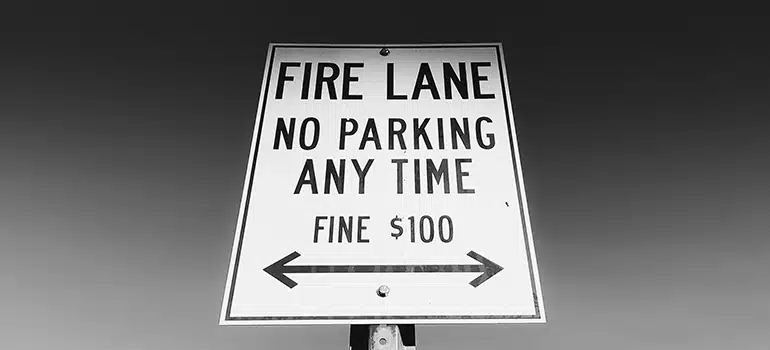
What Are Some Common HOA and City Fire Code Rules You Might Face?
Most fire-prone neighborhoods in Orange County have their own extra requirements that go beyond state laws. Here’s what you might be asked to follow when moving into fire zones:
- No move-ins during Red Flag Warnings or fire weather events
- Mandatory fire-resistant landscaping within 30 days of moving
- Prohibition on wood mulch or hedges touching the home’s exterior
- Spark arrestors required on chimneys and outdoor fire pits
- BBQs restricted to gas-only or placed far from any flammable surface
- Installation of metal mesh screens on attic and foundation vents
- Limits on holiday lights and extension cords during dry months
- Required clearance between propane tanks and any structure
- Immediate removal of dead trees or brush near property lines
- Fines ranging from $250 to $1,000 for non-compliance within HOA deadlines
Moving Into Fire Zones? Lock Down These Final Details Before You Unpack
Before you settle in, double-check everything. Confirm your defensible space is up to code — a 5-foot non-combustible buffer around your home can make all the difference. Make sure your insurance is active, covers wildfire damage, and isn’t just a placeholder FAIR Plan. Back up your power supply with batteries or a generator if you’re in an area prone to shutoffs. Know your nearest evacuation routes and keep your Go Bag near the door, not buried in boxes. Moving into fire zones demands more than the usual prep, but it’s doable with the right steps. Keep flammables out of garages, don’t trust that your HOA rules match the city’s, and talk to neighbors — they’ll tell you what really happens during fire season. One overlooked detail can cost thousands or delay your response when it matters most.